Abruzzo is one of the few regions in Italy where, within the same week, you can shoot a high-altitude western, a drama in a medieval village and a seaside scene, moving base camp an hour or two at a time. Major productions have noticed: Ladyhawke and The Name of the Rose used Rocca Calascio, and The American with George Clooney was shot between Castel del Monte and Sulmona. This guide covers what a production coming from outside actually needs to know.
The locations, in short
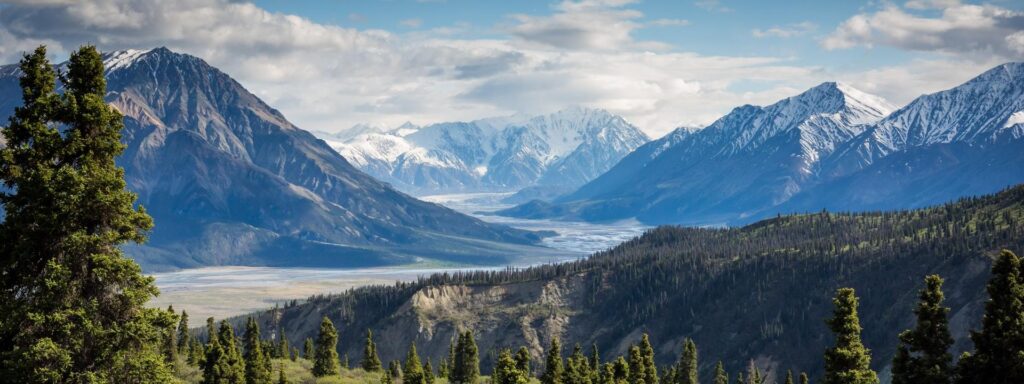
The Gran Sasso massif is the headline act. Campo Imperatore, a plateau at nearly 1,800 metres nicknamed “Little Tibet”, offers bare horizons that read as Central Asia or the American West on camera, with the Corno Grande rising to almost 3,000 metres behind it. Just below sit Rocca Calascio and Santo Stefano di Sessanio, the stone villages you see in period dramas. Further south are the karst plateaus (Piani di Pezza, Altopiano delle Rocche), the Sulmona valley with Pacentro, and Scanno with its lake. On the Adriatic side there is the Costa dei Trabocchi: centuries-old fishing platforms on stilts between Ortona and Vasto, with a cycle path along the old railway line running right at the water’s edge.
Light and seasons
At altitude, the usable season needs careful planning: snow at Campo Imperatore can last into late spring, and the access road may close in winter. Summer brings long golden hours and clear skies, but midday light on the plateaus is brutally hard with no natural cover — flags and diffusion frames have to be planned, not improvised. Autumn is the most photogenic season for forests and villages. On the coast, the best light on the trabocchi is at dawn, with the sun rising out of the Adriatic. General rule: mountain weather turns fast, and a covered plan B saves the shooting day.
The real logistics
From Rome, the A24/A25 motorway takes you into the region: just over an hour to L’Aquila and the Marsica area, around two hours to Pescara. The coast is served by the A14, and Abruzzo Airport in Pescara has direct connections to several European hubs; Rome’s airports remain the main international gateway, with the region genuinely within a day-trip radius. What catches crews out is the last stretch: many mountain locations are reached on narrow switchback roads, drive times from map apps deserve a margin, and access for larger trucks should be checked route by route. In several inland areas mobile signal is weak or absent — better decided in prep than discovered on set.
Permits and the film commission
For public land in the villages you deal with the individual municipalities, which around here tend to be quick and cooperative. Most of the truly spectacular areas, however, fall inside national parks (Gran Sasso e Monti della Laga, Maiella, Abruzzo National Park), each with its own rules on filming and drones: flights need authorisation and should never be assumed. Your reference point is the Abruzzo Film Commission, which supports productions with locations and permit procedures — contact them early and the process holds few surprises.
Why a local rental house changes the equation
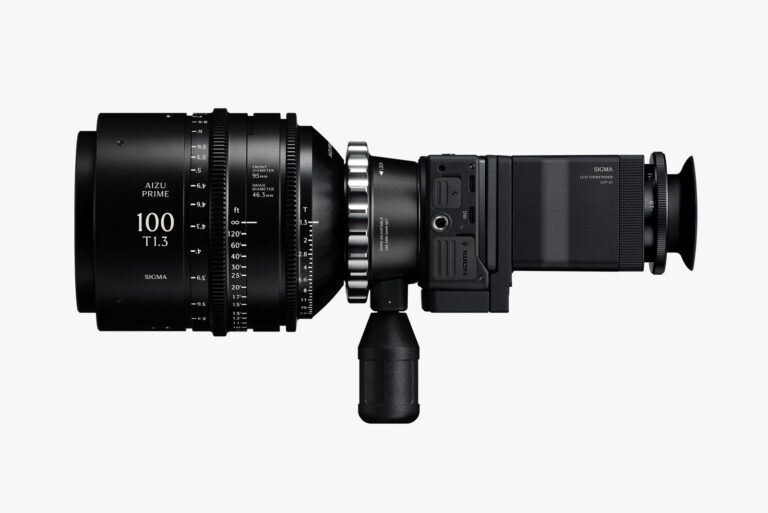
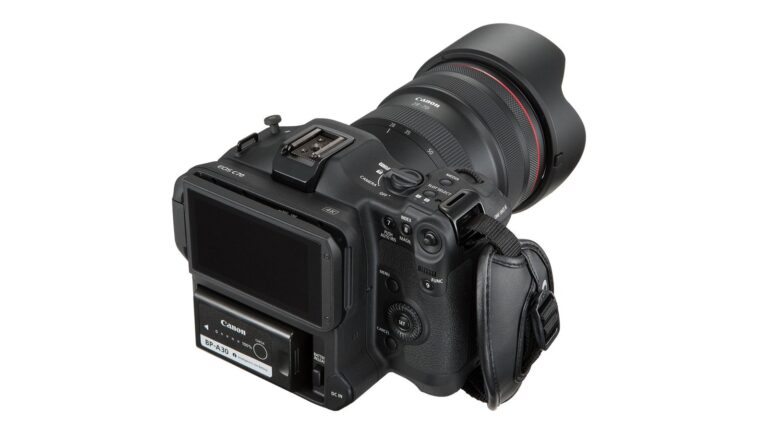
For a crew flying in or driving down from Rome or Milan, hauling the entire camera, lighting and grip package means extra vans, extra cases and no safety net if something fails. Working with a local rental turns that on its head: we deliver and collect directly on set, free of charge anywhere in Abruzzo, and if a unit goes down, the replacement is an hour away, not a day. Our warehouse covers cameras, lenses, lighting, grip and support; only part of the wide range we stock is listed online, so for specific needs just ask. Our process is explained on the how it works page; for a tailored quote use the contact page — we reply within 24 hours on business days. Send us your shooting schedule and we will gladly help you size the equipment list.
A wide range of equipment in our catalogue, on-set delivery included across Abruzzo.