Tilta has confirmed what a lot of people saw coming: from September 1, 2026, a sizeable chunk of the catalogue costs more. The notice is on the manufacturer’s own site and covers around forty SKUs across three families: Nucleus Auto Focus, the Boulder Cart range and the Hydra Alien Mini kits. The stated reason is the usual trio — raw materials, production, international logistics — but the numbers deserve a closer look than the press release gives them.
What goes up, and by how much
- Nucleus Auto Focus Adapter Base Kit (E to PL): from $299 to $399, a flat 33% rise.
- Nucleus Auto Focus Adapter Dual Nano II Motor Kit: from $499 to $599.
- Boulder Camera Cart in grey: from $1,199 to $1,399; the Indie Kit from $1,499 to $1,699; the XL from $1,599 to $1,699.
- Motorized Control Kit for the Boulder: from $699 to $799.
- Khronos Focus PD Handle for iPhone: the Titanium White version goes from $74 to $149, effectively double.
- Hydra Alien Mini Master Kit: from $199 to $249, the Car Mounting System from $119 to $149.
In percentage terms, though, the loudest increases are elsewhere: the cart’s small hardware. The 1/4″-20 mounting straps go from $5 to $9, the Compact Hook does the same, the two-panel sunshade from $49 to $79, the desktop mounting adapter from $49 to $69. That’s 80% and 61% on parts that individually cost about as much as a coffee. The catch is that you don’t build a cart with one hook: you fit eight or ten, plus bins, pegboard and monitor brackets. Add it all up and a fully kitted Boulder now costs a few hundred dollars more than it did two weeks ago.
If you have an order open, close it by August 31
Tilta makes two useful points. First, every Nucleus Auto Focus order placed or still pending before September 1 will be honoured at the old price. Second, current pricing stays live on all affected items through August 31. In practice, this is the last good week. If a Nucleus adapter was already in your autumn budget, buying now is worth $100 — roughly 110 euros once you factor in the exchange rate and Italian VAT. It won’t make or break a budget, but there’s no reason to hand it over out of inertia.
The second price rise in ten days
On August 19 we covered Sony’s price increase on the FX3 and FX6, also effective September 1. Seeing two very different manufacturers move in the same direction, on the same date and with the same justification, isn’t a coincidence in our view: it’s a sign that the cost of set hardware is rising structurally, not cyclically. If you have a purchasing plan spread over the next twelve months, redo the maths now rather than in December.
What it means for productions in Abruzzo
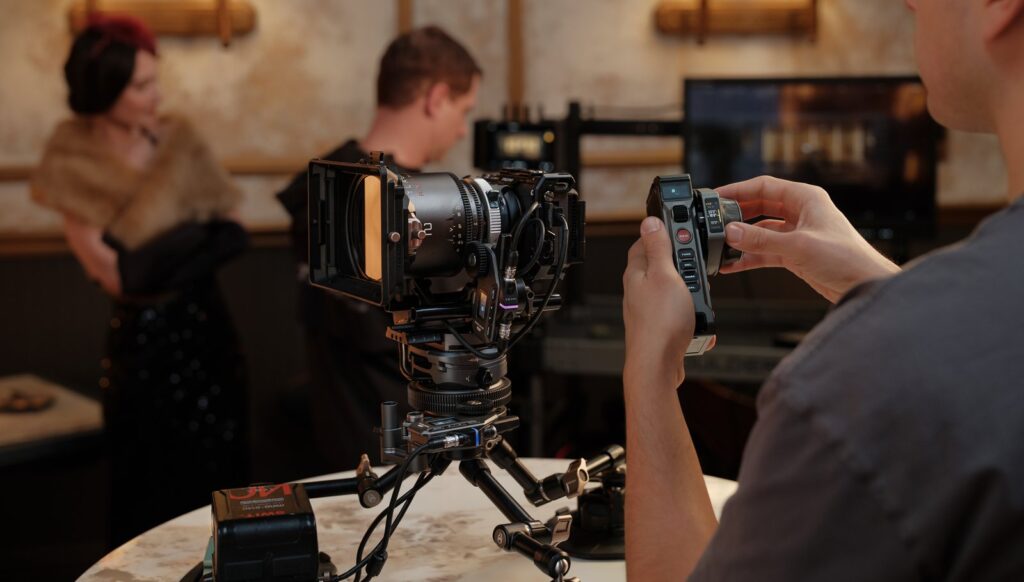
On the ground there’s one consequence, and we can already see it in the quotes coming in: the threshold at which buying beats renting keeps moving further out. A wireless follow focus or a camera cart are tools an average production uses twenty, maybe thirty days a year. At $299 the Nucleus adapter paid for itself quickly even on modest volumes; at $399 plus duty, shipping and VAT the maths changes, and for anyone shooting four or five jobs a year renting is the rational choice again.
It’s the same reasoning we apply to the gear we keep in house. A DJI RS 3 Pro or a wireless video system like the Teradek Bolt 6 750 only make sense as a purchase if you’re working almost every week; otherwise they become idle capital depreciating inside a flight case. With list prices heading upward, that arithmetic gets worse for buying and better for renting. If you’re putting together a set-up for a short film or a commercial this autumn, take a look at our kits: the numbers usually work out better than panic-ordering to beat the increase.
One last practical note: when a manufacturer announces a rise with a week’s notice, the European stock empties out. Expect patchy availability on Nucleus SKUs through September, and factor that into your shooting schedule.
Official source: Tilta’s pricing announcement. Verification and the full price table on CineD.
A wide range of equipment in our catalogue, on-set delivery included across Abruzzo.