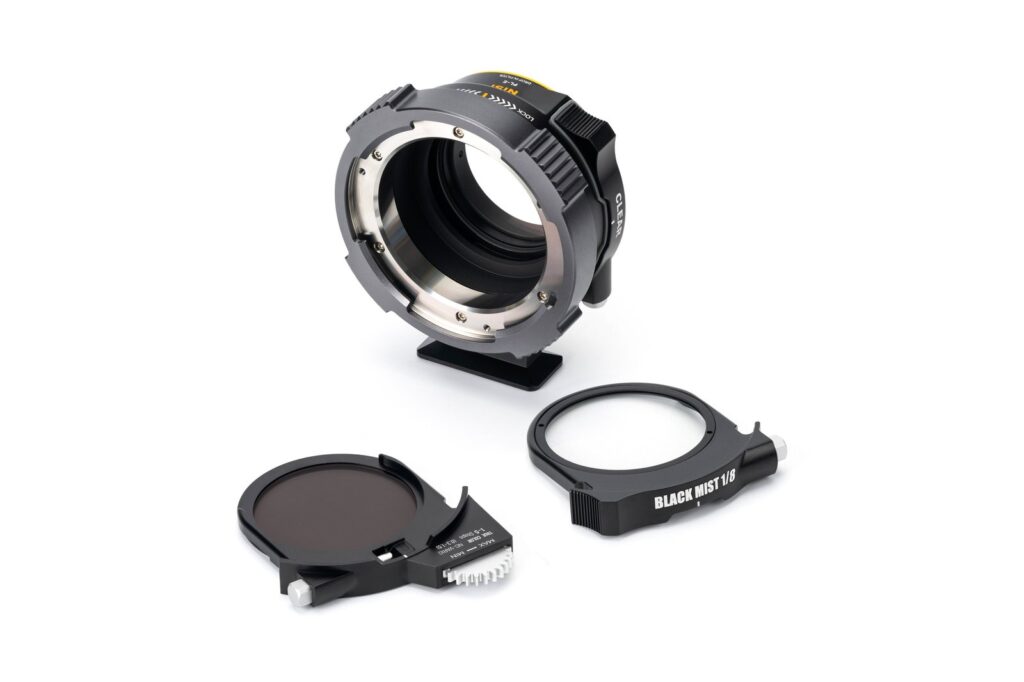
On 8 October NiSi listed the ATHENA Drop-In Filter PL Mount Adapters: three adapters that put PL glass on Sony E, Canon RF and Nikon Z bodies, with a drop-in filter slot sitting between the lens and the camera. The filter no longer lives in front of the lens but behind it, inside the adapter. Not a new idea, but until now it cost about four times as much.
What you get, and what it costs
- Three versions: PL-E (Sony E, 195 g), PL-RF (Canon RF, 207 g), PL-Z (Nikon Z, 229 g). Weights without a filter.
- Adapter with a Clear filter: $269 list, $228.65 on pre-order.
- Filmmaker Kit: adapter, Clear, True Color ND-Vario 1-5 stop (0.3-1.5), Black Mist 1/8 and a pouch: $399, $339.15 on pre-order.
- Compatible drop-ins: True Color VND, True Color CPL, Black Mist, Allure Streak and FS ND.
- VND and CPL carry a 0.8 MOD gear: turn them by hand or with a wireless focus motor, so density can change mid-take.
- Front and rear mounts in 304 stainless steel, with a sealing ring on the camera side against dust and moisture.
- PL lenses with a rear protrusion of up to 25.8 mm according to the official spec sheet (Newsshooter quotes 28.5; when in doubt, go with NiSi’s figure). Infinity focus is preserved with the filter inserted.
Pre-order only, no shipping date given. Specs are on the official NiSi page; Newsshooter did the comparison with the competition: the MOFAGE POCO II is $439, the Breakthrough CINEMA DFM $999, the KipperTie LCminiND £625 plus a £440 AdaptaLC adapter.
Why it matters to us: the FX3 case
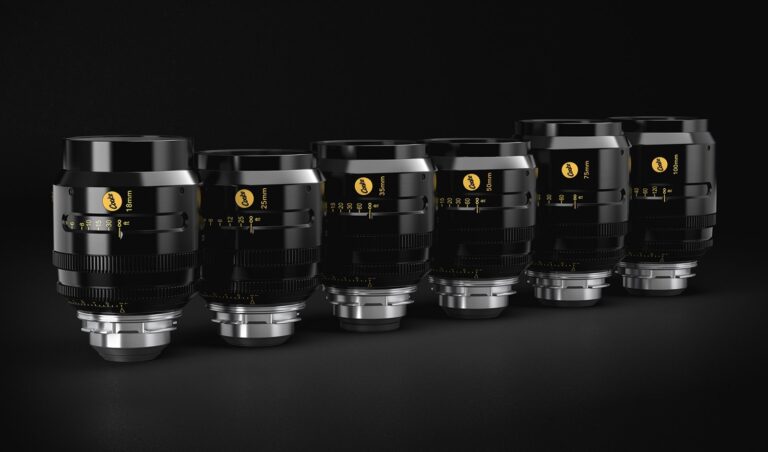
The Sony FX6 has electronic ND built in and handles PL glass on its own. The Sony FX3 does not: it is the body we are asked for most often as a B-cam or crash cam next to a bigger camera, and every time a real PL lens goes on it the ND problem comes up. A matte box with 4×5.65 glass, screw-in filters that are impossible on 110 mm fronts, or you stop down and lose the look. A VND that sits behind the lens solves exactly that, with a single piece of glass for every focal length in the set.
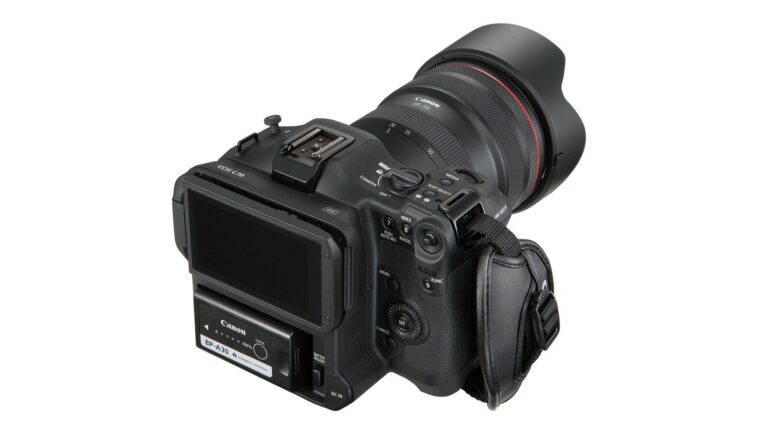
Same story for the Canon C70 with the PL-RF: internal ND is already there, so the real win is Black Mist behind the lens. A 1/8 diffusion that follows the camera, not the lens: swap the 25 for the 75 and nothing in the matte box has to move.
The details that matter on set
In our view there are three things to settle before relying on it.
- The slot sits right against the body. NiSi says it plainly: cages, top plates and positive-lock systems can block filter changes, or even stop you mounting the adapter with a filter inside. On a caged FX3 you test this beforehand, not on the shoot day.
- A filter behind the lens shows up in focus. NiSi says the optical path is compensated and infinity holds. That applies to the Clear and the VND; with glass of a different thickness we would always check it on a focus chart.
- A drop-in VND is not the FX6’s internal ND. Five stops from 0.3 to 1.5 cover exterior work; in full sun at T2 on an anamorphic you may want more, and that is where an extra fixed FS ND in the bag comes in.
Buy it or come to us
On set an adapter like this earns its keep for people who already own PL glass and want it on a mirrorless body without packing a matte box. For a crew shooting a two-day commercial in Abruzzo with a rented PL set the sums are simple: the filters leave with us together with the lenses and the right adapter for the body you picked, and the FX3 with cine primes goes out already tested in its cage. Have a look at our equipment list and call us before buying glass that ends up in a drawer.
A wide range of equipment in our catalogue, on-set delivery included across Abruzzo.