On July 28, shortly after 4:30 p.m. local time, a strong earthquake hit Kumamoto Prefecture in southern Japan, followed by a second violent tremor around forty minutes later. Magnitude estimates differ between agencies (figures between 6.8 and 7.1 have been reported), and dozens of people were injured. The following day Sony Semiconductor Solutions published a statement that lands close to our line of work: production at its Kumamoto Technology Center has stopped.
What the official statement says
Sony kept it short and promised no dates. The points that matter:
- The Kikuyo-machi plant (Kumamoto Technology Center) halted operations right after the July 28 quake and, as of July 29, remains suspended.
- Damage to buildings and production lines is still being assessed. No restart date has been given.
- No injuries were reported among employees on site at the time of the quake.
- The group’s other plants — Nagasaki, Oita and Kagoshima — reported no significant damage.
Kumamoto is not just any factory: it is the main hub for image sensors used in cameras and security cameras, with a capacity the trade press puts in the millions of sensors per day. Fujifilm (colour filters for sensors) and TSMC also run plants in the same area, and both were evacuated.
Why it matters if you shoot in Italy
An honest caveat first, because alarmist headlines are already circulating: nobody can say today whether this will ever show up on price lists. Between a wafer leaving a fab and a camera reaching an Italian dealer there are months of stock and assembly. If the plant restarts within weeks, we probably won’t notice a thing. If the shutdown drags on, the effect will still arrive late, towards the end of the year.
That said, one fact is already on the table: last week Sony warned that FX5 orders had far exceeded expectations, with possible delivery delays. Adding a production stoppage to demand that is already above forecast doesn’t help.
In our view there is one practical lesson here, and it holds no matter how this ends: you don’t build a shooting schedule around a camera body that hasn’t arrived yet. We see it every season in Abruzzo — the director or producer who ordered a new body in May to shoot in September, and come September the camera isn’t there. The shoot date doesn’t move; the people working on it do.
Our advice as a rental house
- If you have a purchase planned, consider pushing it back a few months and covering the jobs with rentals. That isn’t a convenient line: if supply really does tighten, prices don’t fall and your payback gets worse.
- If you already have a production booked, lock the body now instead of waiting. A reserved Sony FX6 or Sony BURANO is a certainty; a place in a waiting list is not.
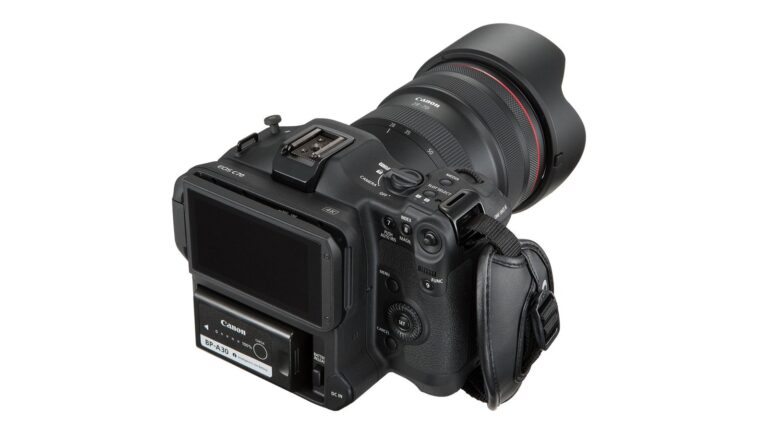
- Keep a plan B from another brand. If your workflow is tuned to a single Sony body, testing an alternative such as the Canon EOS C70 in advance removes a problem on the day it actually bites.
Beyond that, the sensible thing is to wait for Sony’s next update on the damage assessment. Our stock is here and the cameras are already in house: whatever happens to the supply chain, anyone shooting in Abruzzo will find the gear ready. You can see it all on our equipment page.
Official source: Sony Semiconductor Solutions statement. Verification and context: PetaPixel.
A wide range of equipment in our catalogue, on-set delivery included across Abruzzo.